
Moving With Roaches: How to Prevent Roaches From Moving With You
Leave the Cockroaches Behind When You Move
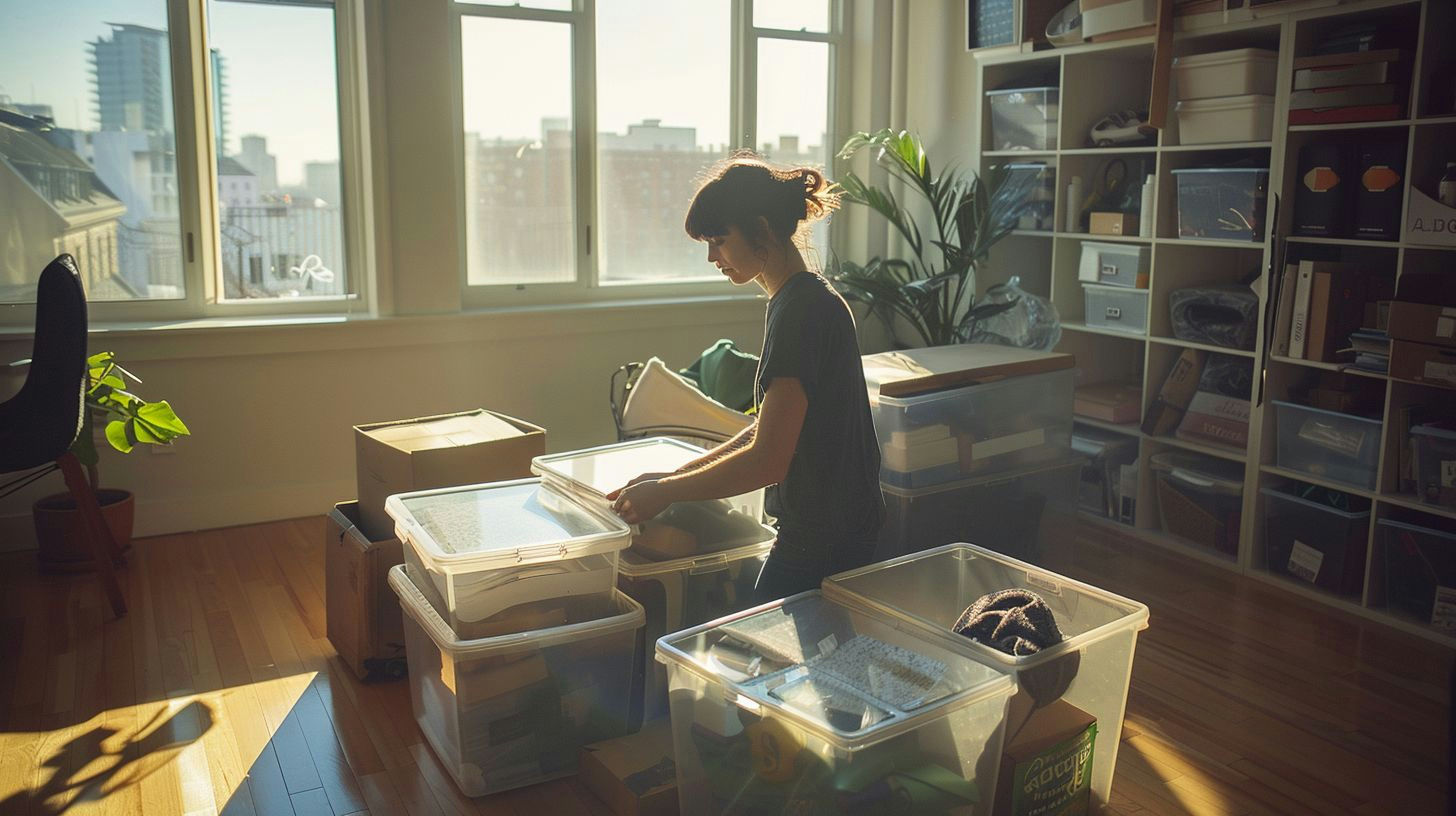
- Get rid of roaches before you pack, ideally a few weeks before moving day. Every roach you remove now cannot ride along.
- Pack in plastic bins with tight lids, not cardboard. Roaches can chew through cardboard and lay eggs in it (Health Canada).
- Pack only items you have inspected. Toasters, coffee makers and electronics are classic hiding spots: shake them out and seal each one in a clear plastic bag.
- Watch for egg cases, not just live roaches. You can pack them without ever seeing a roach, so check under furniture and inside appliances.
- Inspect the new place while it is empty, unpack quickly, and take boxes out to the recycling right after unpacking.
- Need help? Get a quote from a recommended local exterminator through Pest Agent's referral form.
In this article
If part of the reason you are moving is to escape a roach problem, moving with roaches is the outcome to plan against. The toaster, the coffee maker and the stack of cardboard boxes you fill in a hurry are the warm, cluttered hiding spots where a few insects can ride along unseen, and UF/IFAS notes that cockroaches breed prolifically in corrugated cardboard.
Every item that leaves the old home calls for a choice: check it, clean it or leave it behind. The roaches you can see are only part of that choice, since the ones that matter most may still be sealed inside an egg case you would never notice.
Can Roaches Move With You? What to Know About Moving With Roaches
Moving with roaches is a real risk, because cockroaches and their egg cases hitch a ride in boxes, furniture, appliances, electronics and food. Roaches moving from one home to the next rarely walk there on their own: you carry them. The more roaches you have in your current home, the higher the chance that some end up in a box.
How Roaches Hitch a Ride
Roaches hitch a ride in the things you bring into a home. Health Canada notes that roaches and their egg cases can travel on used furniture, food, empty bottles and shipping cartons, and Alberta Health says they often come into a building on food, furniture or clothing, as live insects or as eggs. UC IPM points to appliances, furniture, boxes and items that were recently in storage. Montreal public health gives moving-specific advice: during the move and before you settle in, check electrical appliances, furniture and food for insects.
Why Egg Cases Are the Real Problem
Egg cases are the real problem, because you can pack them without ever seeing a live roach. A German cockroach egg case is light beige and about 1/4 inch long (about 6 mm), and it holds 30 to 48 eggs, according to UF/IFAS. The female carries it until 1 to 2 days before it hatches (UC IPM), and Penn State Extension notes hatching takes about 28 days from when the case begins to form. Other species glue their egg cases under furniture or inside appliance motors. The University of Kentucky warns that a single mated female can lead to several thousand new roaches in less than a year, so one hidden case in a toaster can undo all your hard work.
Which Roaches Travel in Belongings
The German cockroach is the roach most likely to travel with you, because it lives and breeds entirely indoors. Health Canada describes it as about 1.3 cm to 1.6 cm long, tan to light brown, with two dark parallel streaks behind the head, and notes it has been found in buildings as far north as Nunavut. Adults can hide in a crack only 1/16 inch wide (about 1.6 mm), and they are most active at night, so a box can look empty when it is not. If you are not sure which roach you have, our roach identification guide can help.
What Should You Do Before You Pack?
Getting rid of roaches before you pack is the most effective way to avoid moving with roaches, because every roach you remove now is one that cannot ride along. Start these steps a few weeks before moving day if you can.
Treat Your Current Home First
Treating your current home first lowers the number of roaches that could end up in your boxes. Baits are slow on purpose: Health Canada says bait stations kill cockroaches about 48 to 96 hours after they eat the active ingredient, and UC IPM notes a bait program may take 7 days or longer to show results. If you rent, tell your landlord as soon as you see roaches, since the owner is usually responsible for treatment. If a professional treats the unit before you leave, our guide on preparing for a cockroach treatment explains what to do.
Declutter Before You Pack
Decluttering before you pack means fewer hiding spots to move and fewer items to inspect. UC IPM recommends removing piles of papers, cardboard boxes and other clutter, especially in kitchens and bathrooms. Do not move items that are broken or that you have not used in years, and throw out stored paper bags, old newspapers and grocery bags rather than packing them.
Clean and Vacuum
Cleaning and vacuuming remove roaches, egg cases, droppings and the food crumbs that feed them. Vacuum couches, chairs, drawers and the corners of closets as you empty them, and clean behind and under the stove and fridge before they leave the kitchen. UC IPM recommends a vacuum with a HEPA filter, because shed skins and droppings can trigger allergies. When you are done, seal the vacuum contents in a bag before throwing them out, the same way Montreal public health advises bagging infested items before putting them out.
Ask About Your New Home
Asking about your new home before moving day tells you whether you are moving into a second problem. Ask the landlord or property manager whether the unit has had roaches and whether it can be inspected or treated while it is still empty, which is the easiest time to do it.
How Do You Not Bring Roaches When Moving?
Not bringing roaches when moving comes down to packing only items you have inspected, in containers roaches cannot get into. Go room by room and treat each type of item below as its own small job.
Plastic Bins Instead of Cardboard
Plastic bins with tight lids are the safest way to pack, because cardboard is a favourite roach hiding spot. UF/IFAS notes that cockroaches breed in corrugated cardboard boxes, and Health Canada says roaches can chew through paper and cardboard and lay eggs in it. Montreal public health puts it simply: cardboard and paper are not cockroach-proof. If you must use boxes, buy new ones rather than taking used boxes from stores, friends or recycling bins, and tape every seam and gap closed.
Kitchenware
Kitchenware should be washed, dried and packed right away so nothing sits on the counter overnight. Wash pots, pans, dishes and utensils, check the inside of drawers and the cutlery tray, and pack everything into a clean, sealed bin.
Pantry Food
Pantry food should be checked package by package before it goes into a box. Look inside open bags and boxes for live roaches, droppings or egg cases, and throw out anything suspect. Pack the food you keep separately in sealed plastic bags or plastic tubs, never loose in a cardboard box.
Pet Food and Bowls
Pet food and bowls need the same care as your own food. Pour opened pet food into a sealed container or throw it out, and wash bowls, feeders and mats, checking underneath them. Shake out pet beds and toys before packing them.
Clothes and Linens
Clothes and linens should be laundered before you pack them, then sealed so they stay clean. Wash clothing, bedding and curtains following their care labels, and pack them straight from the dryer into sealed plastic bins or vacuum-sealed bags. If you use a laundromat, pack the clean laundry there instead of bringing it back into an infested unit.
Electronics
Electronics deserve extra attention, because roaches like the warmth they give off. Shake out laptops, game consoles, routers, keyboards and TV boxes over a white surface, look into vents and ports with a flashlight, and seal each item in a clear plastic bag. Orkin's advice is to check the bags before you open them: any roach hidden inside will usually show up after a few days.
Small Appliances
Small appliances such as toasters, coffee makers, microwaves and kettles are classic hiding spots for roaches and egg cases. Empty crumb trays, clean them, check the underside and the back panel, and bag them in clear plastic like your electronics. If the infestation in your current home is severe, consider replacing cheap small appliances rather than moving them, since their insides are hard to clean or treat.
Furniture
Furniture can carry egg cases glued to hidden surfaces. Pull out drawers, tip chairs and tables over, and check joints, the underside and the back of every piece with a flashlight, as UC IPM advises for egg cases. Vacuum upholstered pieces and wrap them once they are clean. If you find an egg case, crush it and throw it in the garbage, as Alberta Health recommends.
Plants
Plants can hide roaches in the soil, on leaves and around pots. Check them before packing and clean each pot and saucer. If you are not sure a plant is clean, it is safer to leave it behind.
The Moving Truck
The moving truck should be inspected before anything goes in. Look for signs of pests in the cargo area, and keep your sealed bins closed until they are in the new home.
How Do You Keep Roaches Out of Your New Home After the Move?
Keeping roaches out of your new home after the move starts before the first box comes through the door. Inspect, unpack fast, and give any hitchhikers nowhere to settle.
Inspect the New Place Before Moving In
Inspecting the new place before moving in tells you whether roaches are already there. With the unit empty, use a flashlight to check under the sink, behind the stove and fridge, inside cabinets and along baseboards for live roaches, droppings (dark specks or smears), shed skins and egg cases. Our guide to the signs of a cockroach infestation shows what to look for.
Unpack Quickly and Check Every Item
Unpacking quickly gives any stowaway roach less time to settle in. Keep boxes in the hallway, garage or balcony until you are ready to empty them, check each item as it comes out, and look through clear bags before opening them. Break down cardboard boxes and take them out to the recycling right after unpacking rather than storing them.
Seal Cracks and Gaps
Sealing cracks and gaps removes the hiding places a roach would use in your new home. Health Canada recommends sealing and caulking cracks, crevices and pipe openings. In an apartment, ask the landlord before caulking, and ask whether the building can add door sweeps or seals between units.
Sticky Traps
Sticky traps are a cheap early warning system for the first weeks. Place a few under the sink, behind the fridge and along kitchen baseboards, and check them regularly. A trap that keeps catching roaches tells you to act early instead of waiting for an infestation to show.
Bait Stations
Bait stations can be placed in the kitchen and bathroom as a precaution while you settle in. Choose a product with a Pest Control Products (PCP) number on the label, which shows it is registered by Health Canada, and keep it out of reach of children and pets. Never use unregistered products such as insecticide chalk, which Health Canada warns is highly toxic and illegal to sell.
Why Foggers Do Not Help
Foggers do not help you prepare a new home, because they miss the cracks where roaches hide. UC IPM says aerosol insecticides and total-release foggers ("bug bombs") are often ineffective. Repellent scents are popular too, but they do not replace inspection and sealing; see our guides to cockroach repellents, whether roaches hate citrus and essential oils for cockroaches before relying on them. For the everyday habits that keep roaches out for good, read our full guide on how to prevent cockroaches.
What If Your New Home Already Has Roaches?
If your new home already has roaches, hold off moving electronics and boxes in until the unit has been treated, and tell the landlord right away. Moving your belongings into an active infestation puts them at risk for your next move too.
Tell Your Landlord
Telling your landlord in writing is the first step if you rent. Montreal public health says the owner is responsible for dealing with cockroaches: notify the owner right away, send a registered letter if nothing happens, and if there is still no action within a reasonable time (up to 10 days), call 311 to file a complaint or contact the Tribunal administratif du logement. In Alberta, landlords must keep units pest-free, and renters can call Safe Healthy Environments at 1-833-476-4743. Manitoba warns that treating with store-bought chemicals yourself may spread roaches to other units, which is why building-wide treatment matters.
When to Call a Pest Control Professional
Calling a pest control professional makes sense if you saw roaches in your old home before the move, if you find live roaches or egg cases while unpacking, or if your traps keep catching them. A licensed professional can inspect both homes, confirm the species and place baits where you cannot reach. To learn what the service involves, read our guide to cockroach pest control, or get a quote from a recommended local exterminator through Pest Agent's referral form. Moving from a place that also had bed bugs? Our guide on how to avoid bringing bed bugs when moving covers the extra steps.
Frequently asked questions
How likely is it to bring roaches when you move?
It depends on how many roaches your current home has. If you have an active infestation and pack without inspecting, the risk is high, because roaches and egg cases hide in boxes, appliances and electronics. Treating first and packing inspected items in sealed plastic bins lowers the risk a lot.
Can roaches live in moving boxes?
Yes. Cardboard gives roaches dark gaps to hide in, and they can chew through it and lay eggs in it. Use new boxes or sealed plastic bins, and recycle boxes right after you unpack.
Should I throw away my electronics if I have roaches?
Usually not. Shake them out, check the vents and ports, seal them in clear plastic bags and look for roaches after a few days. With a severe infestation, replacing cheap small appliances can be easier than cleaning them.
Can roaches follow you from an apartment to a new one?
Roaches do not follow people, but they travel inside your belongings. That is why inspecting, cleaning and sealing items before the move matters more than anything you do on moving day.
Should I set off a bug bomb before moving in?
No. UC IPM says foggers are often ineffective because they do not reach the cracks where roaches hide. Inspect the empty unit instead, and ask the landlord for a professional treatment if you find signs of roaches.